
Weeks 1–2
Pain
Calm the irritation.
Activity modification and hands-on care reduce inflammation and pain around the affected tendon.
What We Treat
Tendinitis rarely fixes itself with rest alone. The tendon needs the right kind of loading to actually heal.
No referral needed. A real person calls you back, usually within two business hours.
Request sent.
That’s the hard part done. We’ll call during business hours to lock in your time. Prefer to talk now? (816) 607-7180
Sound Familiar?
Two or more? Keep reading.
Why It Happens
Tendinitis happens when a tendon, the strong band connecting muscle to bone, becomes inflamed or irritated, usually from overuse or repetitive motion in sports, at work, or even in everyday activities. As we age, tendons also become naturally less flexible and more prone to this kind of irritation.
Common types include rotator cuff tendinitis in the shoulder and tennis elbow (lateral epicondylitis) in the forearm, but tendinitis can affect nearly any tendon in the body. Identifying the specific movement pattern that's overloading the tendon is key to actually resolving it, not just masking the pain.
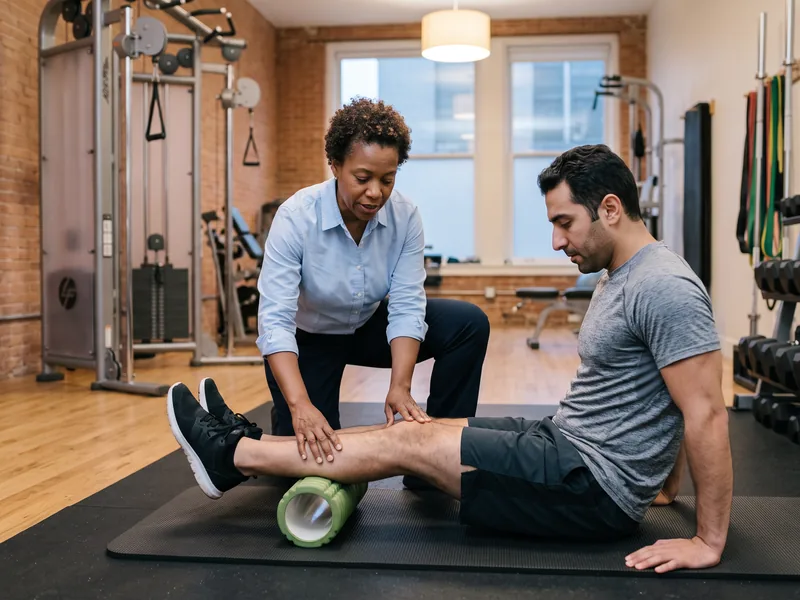
The Honest Truth
Nobody regrets starting too early. Every week, someone in our clinic says they regret waiting.
How We Fix It
Every plan has an endpoint. Here’s what the four phases look like for an irritated tendon.
Weeks 1–2
Pain
Activity modification and hands-on care reduce inflammation and pain around the affected tendon.
Weeks 2–6
Prime
Gentle mobility work restores movement without further irritating the tendon.
Weeks 6–10
Perform
Targeted, graded strengthening rebuilds the tendon's capacity to handle stress, the key step rest alone skips.
Weeks 10+
Prevent
The specific movement or sport that triggered your tendinitis gets reintroduced safely, with adjustments to prevent it from returning.
Over 625 five-star reviews from patients who came to us with real, specific problems, not generic complaints. See what people are saying before your first visit.
5.0 rating · 625+ Google reviews
Phase 1: unable to do the activity that first caused the pain
Phase 4: back to that same activity, pain-free and with a plan to keep it that way
Questions, Answered
Tendons need the right kind of controlled loading to actually remodel and heal, not just rest. Complete rest can even leave a tendon weaker and more prone to re-irritation once you resume activity.
Usually with modification, not a full stop. We'll help you adjust technique, load, or frequency so you can keep moving while the tendon recovers.
It varies by location and how long you've had it, but many cases improve significantly within 4 to 8 weeks of targeted, progressive loading.
Book Your Visit
Request a time and a real person calls you back, usually within two business hours. No phone tree. No ‘someone will reach out.’ Just a plan.
5.0 · 625+ Google reviews
Typical response: under 2 business hours
Step 1 of 5
That’s the hard part done. We’ll call during business hours to lock in your time. Most people are on the schedule same week.
Visit Us
We’re growing. See open positions and how to apply