
Weeks 1–2
Pain
Protect the new joint.
Swelling management and gentle guided motion protect the incision while getting the knee moving safely from day one.
What We Treat
The first steps down the hospital hallway. The stairs at home you’re not sure you’re ready for. A new knee gives you the joint, physical therapy gives you the confidence to actually trust it again.
No referral needed. A real person calls you back, usually within two business hours.
Request sent.
That’s the hard part done. We’ll call during business hours to lock in your time. Prefer to talk now? (816) 607-7180
Sound Familiar?
Two or more? Keep reading.
Why It Matters
Surgery replaces the damaged joint surfaces with metal and plastic components, but it doesn’t automatically hand back your strength, your range of motion, or your confidence walking on it. Whether the original joint was worn down by osteoarthritis, rheumatoid arthritis, or an old injury, the muscles around it spent months, sometimes years, compensating for a knee that couldn’t do its job. Those habits don’t disappear the day you leave the hospital.
That’s why the recovery itself is where the real work happens. Scar tissue and swelling can quietly steal motion in the first few weeks if nobody’s pushing back on it, and a knee that isn’t guided through the right progression can end up stiff, weak, or both. A structured plan is what turns a new joint into a knee you can actually trust again.
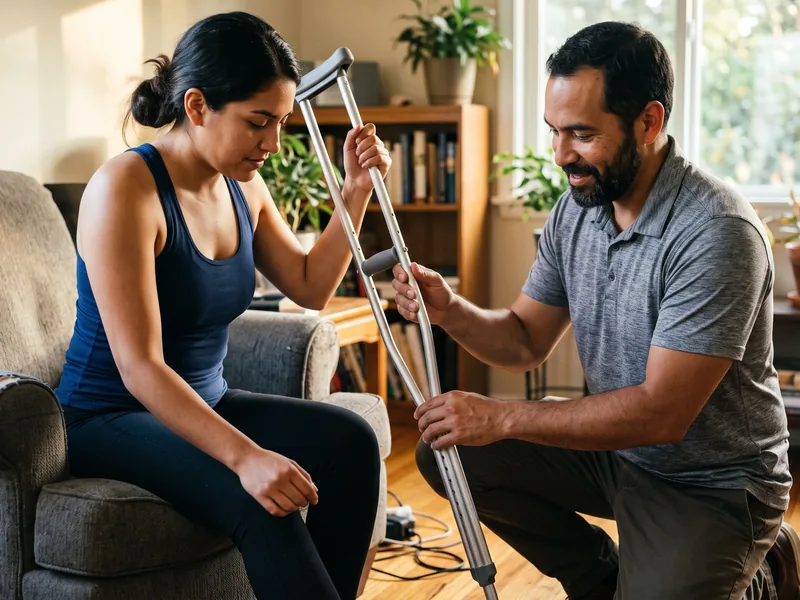
The Honest Truth
Nobody regrets starting too early. Every week, someone in our clinic says they regret waiting.
How We Fix It
Every plan has an endpoint. Here’s what the four phases look like after a knee replacement.
Weeks 1–2
Pain
Swelling management and gentle guided motion protect the incision while getting the knee moving safely from day one.
Weeks 2–6
Prime
Targeted mobility work fights the scar tissue that threatens to steal your flexion and extension in these early weeks.
Weeks 6–10
Perform
Progressive strengthening around the hip and quad rebuilds the support the new joint needs for stairs and uneven ground.
Weeks 10+
Prevent
Stairs, distance walking, and getting up from low chairs get tested under real conditions before you’re cleared to go all-in.
Over 625 five-star reviews from patients who came to us with real, specific problems, not generic complaints. See what people are saying before your first visit.
5.0 rating · 625+ Google reviews
Phase 1: focused on protecting the new joint and calming swelling
Phase 4: back to the activities that matter to you
Questions, Answered
Most surgeons want rehab started within days of surgery, sometimes before you even leave the hospital, and continuing in outpatient therapy soon after. Early motion helps keep scar tissue from limiting your bend, so the sooner we start guiding it, the less ground we have to make up later.
Most patients regain enough motion to handle stairs, sit comfortably, and get in and out of a car, though the exact number varies with your surgery, your starting motion, and how consistent you are with your program. We track your range at every visit so you always know where you stand against your own benchmarks.
Some swelling for several weeks to a few months after knee replacement is common and expected. We actively manage that swelling as part of your recovery plan, tracking it visit to visit, and we’ll flag anything that looks outside the normal healing pattern back to your surgeon.
Book Your Visit
Request a time and a real person calls you back, usually within two business hours. No phone tree. No ‘someone will reach out.’ Just a plan.
5.0 · 625+ Google reviews
Typical response: under 2 business hours
Step 1 of 5
That’s the hard part done. We’ll call during business hours to lock in your time. Most people are on the schedule same week.
Visit Us
We’re growing. See open positions and how to apply